
Atapuerca Archaeological Sites
The Atapuerca Sites stand as an archaeological treasure that has transformed our understanding of human evolution. These sites, recognized as one of the most important archaeological locations in the world,...
Descripcion
The Atapuerca Sites stand as an archaeological treasure that has transformed our understanding of human evolution. These sites, recognized as one of the most important archaeological locations in the world, offer a privileged window into the distant past of humanity. Over more than a million years of history, the discoveries made here have rewritten the genealogical tree of our species, positioning Atapuerca as a key piece in the history of Europe and the world.
A journey to the origins of humanity
The Atapuerca Sites, a UNESCO World Heritage Site since 2000, have revealed fossil remains dating back over a million years. Here, remains of species such as Homo antecessor, Homo heidelbergensis, and Homo neanderthalensis have been discovered. These findings have not only provided information on how these hominins lived and hunted, but they have also unveiled symbolic behaviors and unexpected rituals, offering a new perspective on the first human societies.
Among the most striking discoveries are pieces of evidence of funerary rituals and practices suggesting a more complex cultural and social life than previously thought, reshaping our vision of cognitive and spiritual development in our ancestors.
The railway trench: a journey through time
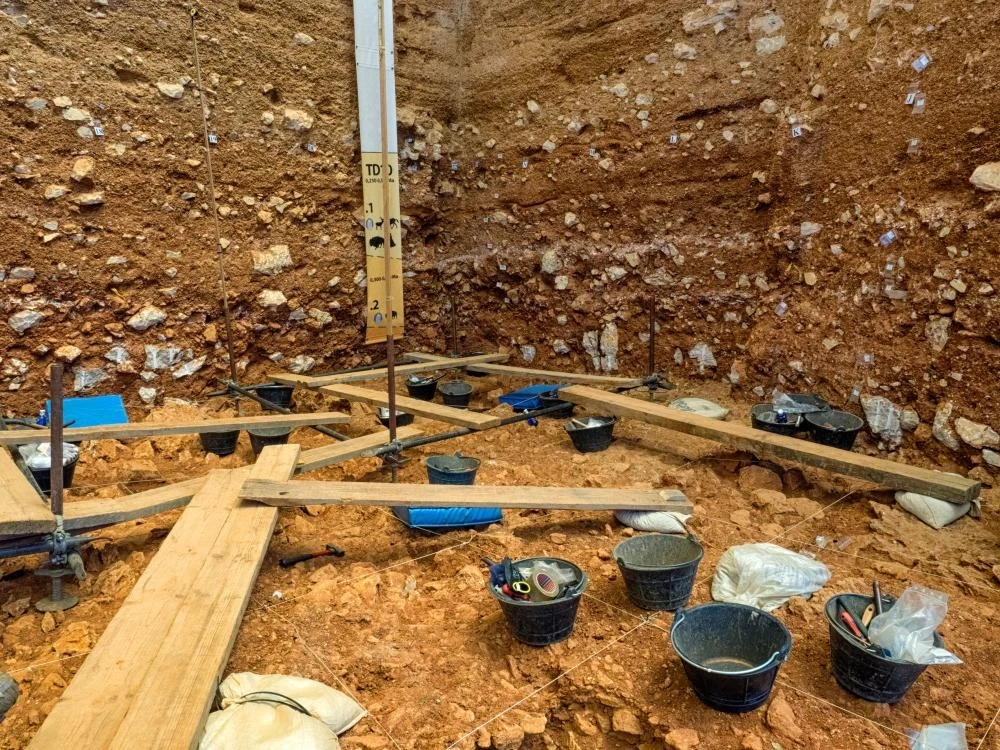
Visiting Atapuerca is like diving into a living archaeology lesson. The route takes visitors through the famous Railway Trench, a site that was accidentally discovered and revealed the highest concentration of prehistoric human remains in Europe. Some of its most significant stops include:
- Sima del Elefante, where remains over 1.2 million years old were found, marking the oldest hominin settlement in Europe.
- Gran Dolina, where the famous remains of Homo antecessor were discovered, a crucial species for understanding human evolution in Europe.
- Galería Complex, which provides key information about hunting and animal processing in the daily life of early Europeans.
Unveiling the hidden history within its layers
To delve deeper into this experience, you cannot miss the Experimental Archaeology Center (CAREX), a place where prehistory comes to life. Here, visitors have the opportunity to participate in activities that recreate tool-making and the hunting techniques of our ancestors.
Additionally, the Museum of Human Evolution showcases an impressive collection of fossils from Atapuerca, narrating the fascinating history of human evolution in a single space.
Practical information
Galeria
Ubicacion
Sigue explorando